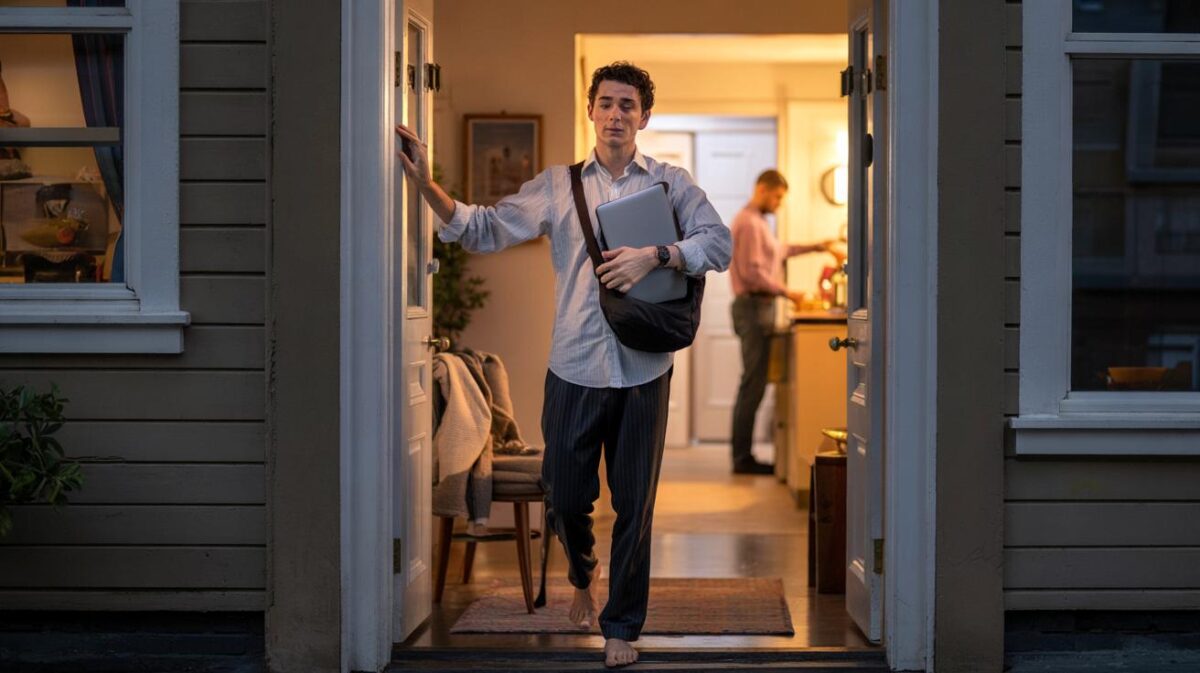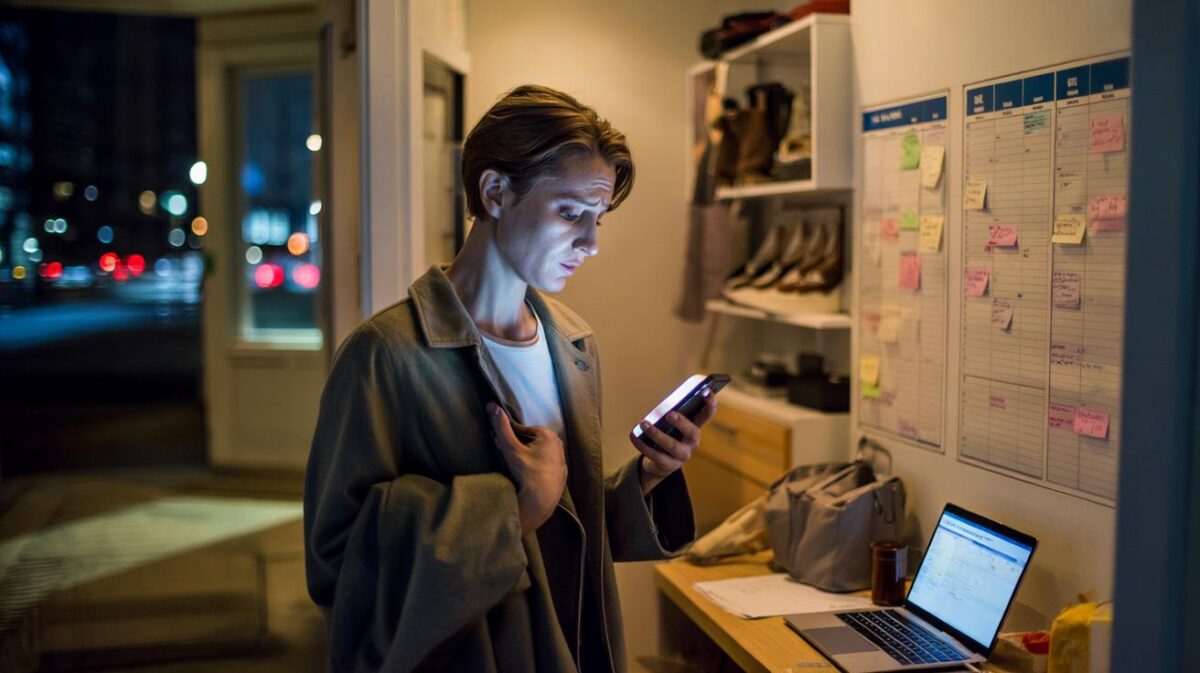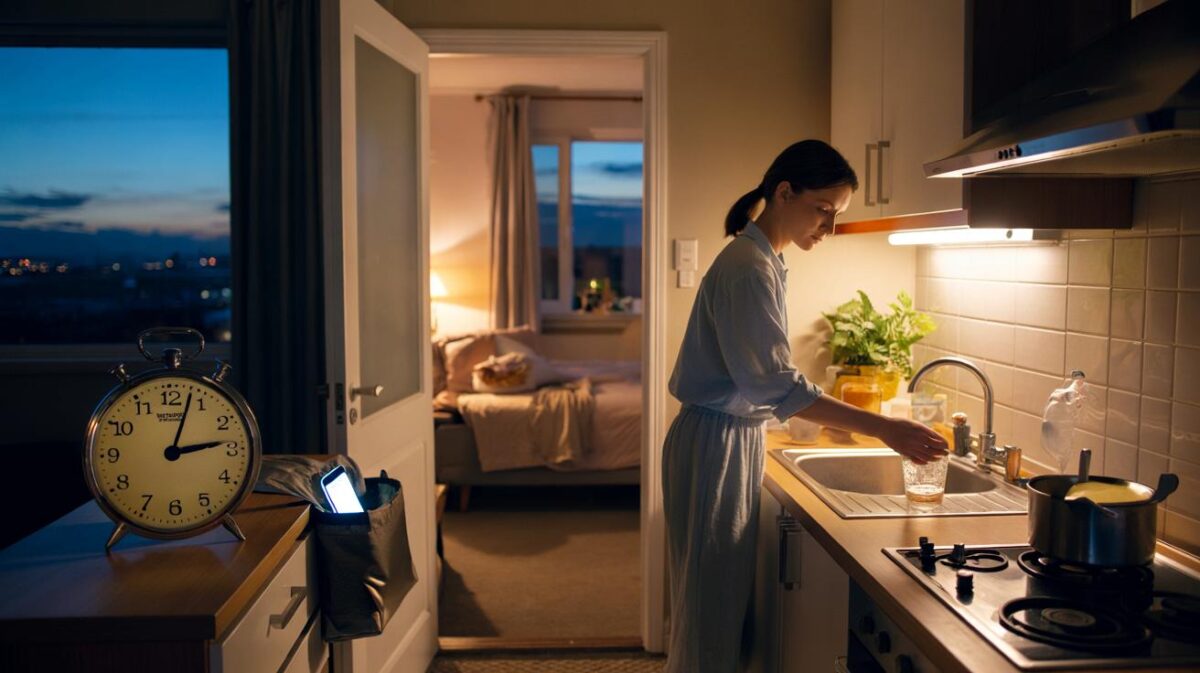
You stare at the supermarket shelf, frozen in front of fifty kinds of pasta sauce. Your hand hovers, retreats, hovers again. Somewhere between “basil” and “extra creamy,” your brain just… gives up. You know it’s not a big deal, yet you feel your chest tighten as if this tiny decision holds the fate of your whole week.
Later, at home, your partner asks what you want to watch. You want to scream, “I don’t care, just pick something.” Not because you’re lazy or moody, but because you’re already exhausted by the day’s invisible weight.
If minor choices feel strangely heavy, there’s usually a quiet emotional story running underneath.
When “What do you want for dinner?” feels like a trap
There’s that moment at the end of the day when someone casually asks, “So, what should we eat?” and your brain just flatlines. It’s dinner. It should be simple. Yet the question lands like a small bomb.
Your mind races through leftovers, your budget, that thing you read about eating fewer carbs, the kids being picky, your own fatigue. A basic decision turns into a mental spreadsheet. By the time you answer, you’re not choosing food, you’re choosing guilt level.
One woman I interviewed described her evenings like this: “By 6 p.m., I feel like a human decision machine running on fumes.” She wasn’t a CEO or a politician. She was a part-time teacher with two kids, a partner, and a relatively quiet life on paper.
Yet every day started with dozens of tiny questions. What should the kids wear? Who’s driving to school? Do we have time to stop for gas? Text this parent back now or later? She didn’t notice the load until one night, when her partner asked whether they should buy a new lamp or wait for the sales. She burst into tears in the middle of the lighting aisle.
Psychologists have a term for this: decision fatigue. Each choice, even the small ones, drains a bit of your self-control and clarity. Mix that with the invisible “mental load” of planning, anticipating, and remembering for others, and daily life turns into a constant background hum of micro-stress.
What looks like “overreacting” to a basic question is often your nervous system saying, *I’m done paying the emotional tax of being the one who decides everything*. The choice isn’t heavy on its own. What’s heavy is everything it represents.
How to lighten the hidden emotional load of small decisions
One very concrete method is to pre-decide some recurring details before your day even starts. Think of it as gently childproofing your own brain. Choose three weekday breakfasts and rotate them without debate. Plan a rough weekly dinner grid: pasta night, freezer night, sandwich night.
➡️ Feeling emotionally “on standby” is a learned psychological response
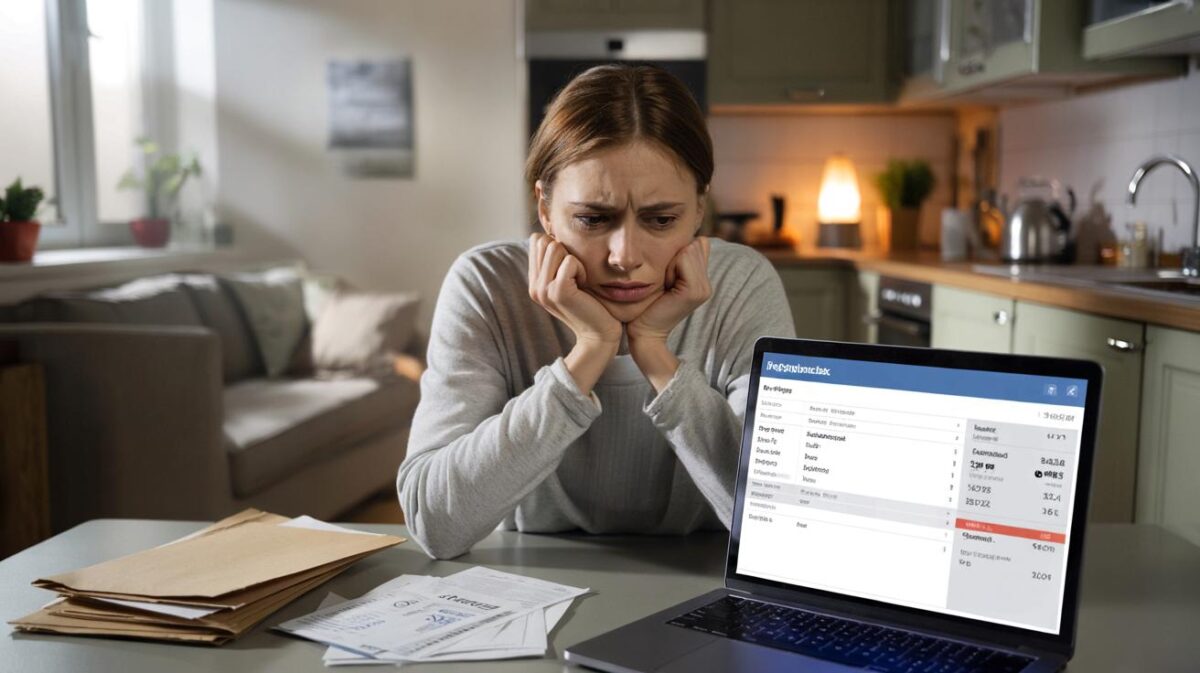
➡️ “I felt financial pressure even when nothing was ‘wrong’”
➡️ This job allows workers to earn comfortably without relocating
➡️ Why this haircut suits busy lifestyles more than trendy styles
➡️ This haircut helps disguise cowlicks better than any styling trick
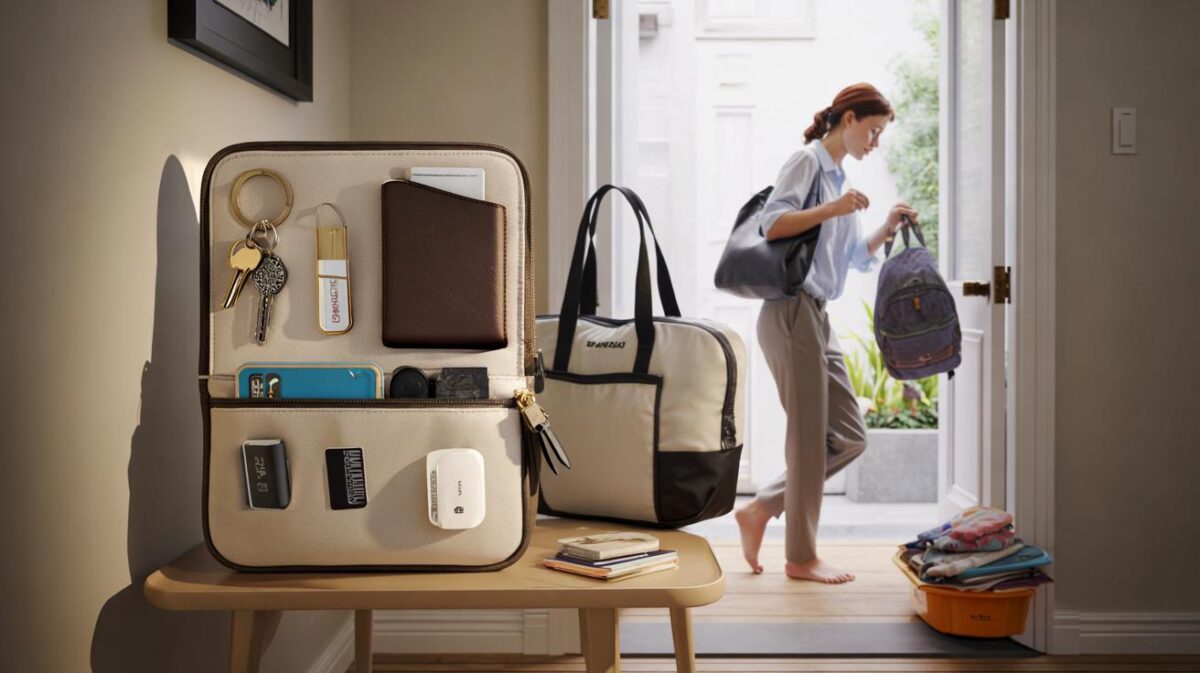
➡️ A small change in how you organize bags can save time every morning
➡️ This common cleaning habit actually creates more work later
➡️ If you feel mentally crowded, psychology explains how emotional load accumulates
Create “default settings” for boring choices. Same brand of laundry detergent, same type of notebook, same go-to lunch. This isn’t lack of personality. It’s you reclaiming emotional energy for what actually matters. Small routines act like buffers, so every moment doesn’t become a referendum on your life.
A common trap is thinking you must optimize every choice. The healthiest meal. The best phone plan. The most educational cartoon. That pressure hides a quiet belief: “If I don’t choose perfectly, I’m failing.” No wonder your brain freezes in front of the yogurt aisle.
Give yourself permission to aim for “good enough” in whole categories of life. Buy the second-cheapest option. Rotate three outfits without guilt. Sometimes the bravest move is to shrug and say, “This will do.” Let’s be honest: nobody really does this every single day. We bend. We improvise. We survive.
“When people tell me they’re exhausted by tiny choices, I rarely see indecision,” explains a clinical psychologist I spoke to. “I see people carrying too much responsibility for everyone’s comfort, safety, and happiness. The small decision is just where the weight shows up.”
- Create tiny non-negotiablesPick one or two decisions you never outsource (your wake-up time, your morning coffee ritual), so you still feel in charge of something that’s just for you.
- Name your “I don’t decide this” listActively hand off three recurring decisions to someone else: movie choice, Friday dinner, weekend outing. Don’t correct them afterward.
- Use a “two-option” ruleWhen you ask others a question, offer two clear options instead of an open field. It reduces back-and-forth and spreads the cognitive load more fairly.
The quiet emotions hiding behind your difficulty choosing
Beneath the stress of minor choices, there’s often a deeper story about fear, identity, or past criticism. If you grew up being told you were “too much,” “too soft,” or “always choosing wrong,” of course today’s choices feel high-stakes. Your nervous system learned that any answer could become a reason to judge you.
Sometimes the emotional load isn’t just “What do I want?” but “Will someone be upset if I choose this?” That tiny pause before you answer is your brain scanning for danger. No wonder the simple question of which restaurant to pick starts to feel like a loaded test.
| Key point | Detail | Value for the reader |
|---|---|---|
| Decision fatigue | Many small choices drain self-control and clarity over the day | Helps you understand why you feel exhausted “for no reason” |
| Invisible mental load | Planning and anticipating for others adds quiet, constant strain | Normalizes your experience and reduces self-blame |
| Pre-deciding and delegating | Routines and shared responsibility lighten the emotional weight | Gives you practical tools to feel less overwhelmed by daily life |
FAQ:
- Why do I freeze over tiny decisions but handle big crises well?In a real crisis, your body switches into survival mode and priorities become crystal clear. Small daily choices don’t trigger that clarity, yet they pile up quietly. Your system burns out on the constant low-level effort, not the rare emergencies.
- Is this just anxiety?Sometimes, but not always. Difficulty choosing can come from decision fatigue, perfectionism, past criticism, or carrying too much responsibility for others. Anxiety can amplify it, yet the emotional load itself is often very real and situational.
- How do I explain this to my partner without sounding dramatic?Describe specific moments: “When you ask me ‘What do you want to eat?’ after a long day, my brain feels like it shuts down because I’ve already made 100 micro-decisions. Could you pick dinner on weekdays so I can rest that part of my mind?” Concrete scenes land better than abstract complaints.
- Is it lazy to want others to decide for me sometimes?No. It can be a healthy way to share mental load. The key is balance: you’re not giving up all agency, you’re acknowledging that your bandwidth is finite and that relationships work better when the invisible work is distributed.
- What’s one small thing I can try this week?Choose one recurring choice that drains you the most—meals, outfits, plans—and turn it into a simple rule for seven days. Same breakfast, same walking route, same “default” dinner. Notice how your mood and energy shift when that one decision stops asking for attention.