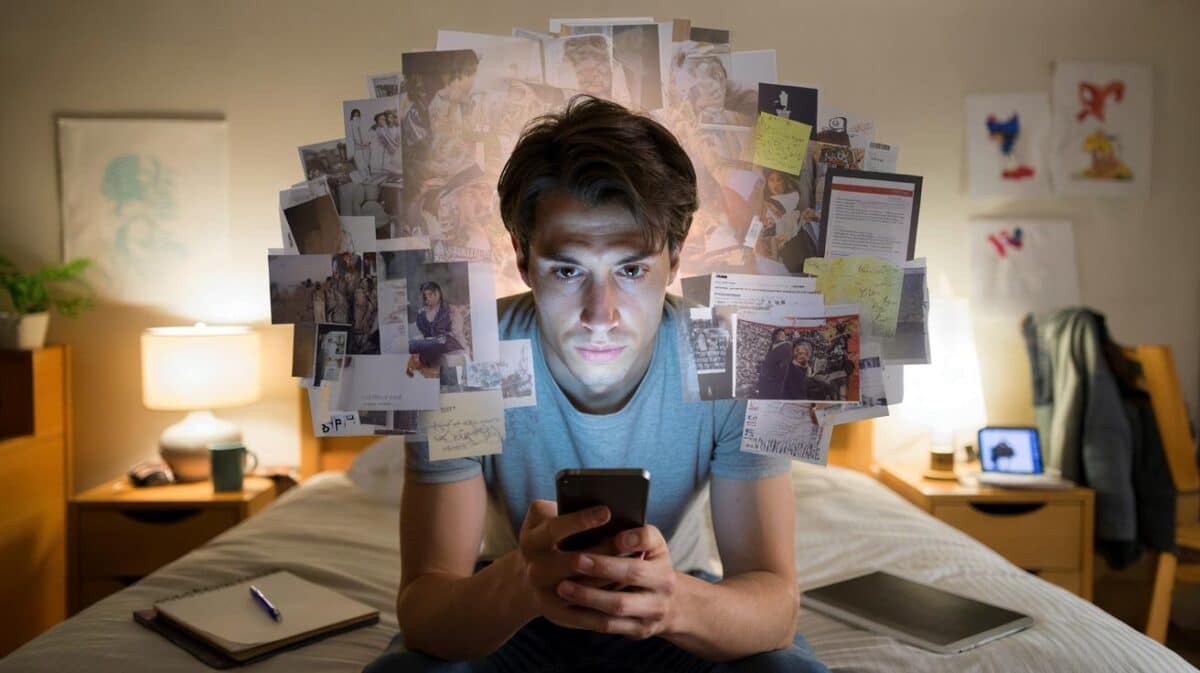
Around 7 p.m., my evenings used to slip through my fingers like steam off boiling pasta.
I’d look up from my phone, blink at the clock, and somehow it was already 11:23 p.m. The kitchen light still on. Laptop half-open on the couch. A cold cup of tea on the coffee table like an abandoned prop.
I hadn’t rested.
I hadn’t done anything fun.
I hadn’t moved my life one inch forward.
I’d just… dissolved into my evening.
One night, staring at the blue glare of yet another random YouTube video, I whispered out loud, “Where did my evening go?”
The next morning, I decided to treat my evenings like something I could design, not just survive.
That’s when this simple routine quietly changed everything.
The invisible leak that swallows your evenings
There’s this strange, blurry time just after work when the day hasn’t really ended and the night hasn’t really begun.
That’s where most evenings disappear.
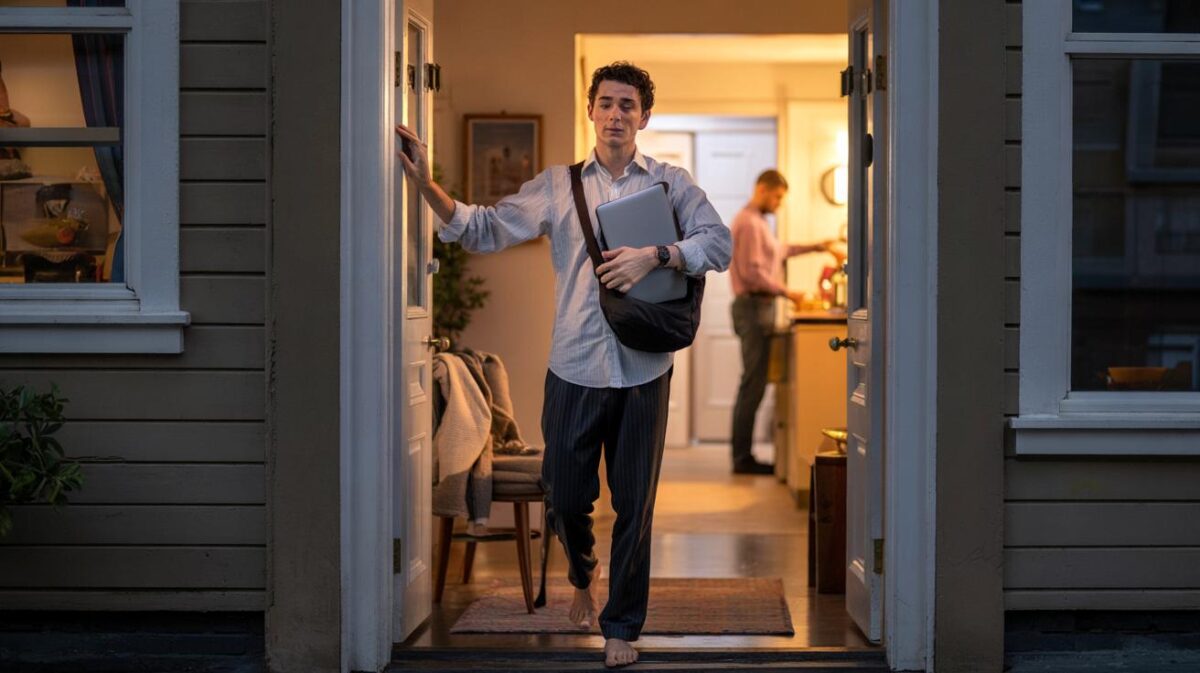
You walk through the door, drop your keys, scroll “for five minutes,” open the fridge, close the fridge, sit on the sofa, maybe answer one more email.
Your brain is tired, your body is wired, and your phone is right there, pulsing with tiny, colorful promises.
By the time you “wake up” from that fog, dinner is late, your to-do list is untouched, and the only thing you’ve really done is switch apps.
You’re not lazy.
You’re stuck in an unintentional transition zone that sucks up the best hour of your night.
A friend of mine, Léa, tracked her evenings for a week using nothing fancier than a pen and a sticky note.
Each time she changed activity, she scribbled the time down.
She thought she spent “a bit” of time scrolling before dinner.
The sticky notes told a different story.
➡️ Why this haircut suits busy lifestyles more than trendy styles
➡️ A small change in how you organize bags can save time every morning
➡️ This haircut helps disguise cowlicks better than any styling trick
➡️ How small daily resets prevent weekend cleaning marathons
➡️ If you feel uneasy when plans change suddenly, psychology explains the need for internal order
➡️ This common cleaning habit actually creates more work later
➡️ This job allows workers to earn comfortably without relocating
➡️ Feeling emotionally “on standby” is a learned psychological response
On average: 47 minutes in the entryway-email-social-media vortex, between 6:42 p.m. and 7:29 p.m.
No dinner started.
No clothes changed.
No brain reset from work mode.
Multiply that by five workdays and you get almost four hours a week.
Four hours that felt like a drawn-out sigh, instead of a time that belonged to her.
What’s happening here is simple: your brain hates undefined spaces.
When the day’s structure ends and nothing replaces it, your mind grabs the fastest, easiest source of stimulation.
Screens win every single time.
They demand nothing, they reward immediately, and they blur time like wet ink.
Your body, still buzzing with work stress, doesn’t get the signal that “the day is over now.”
So it floats.
This is why evenings feel short, fragmented, and strangely unsatisfying.
You didn’t “waste” them on purpose.
You just never built a clear bridge between your workday and your night.
The 20-minute evening reset that brings your time back
The routine that fixed my disappearing evenings is embarrassingly simple.
I call it the 20-minute evening reset.
The rule is this: the first 20 minutes after you get home are sacred and scripted.
No phone.
No email.
No “quick check”.
Mine looks like this:
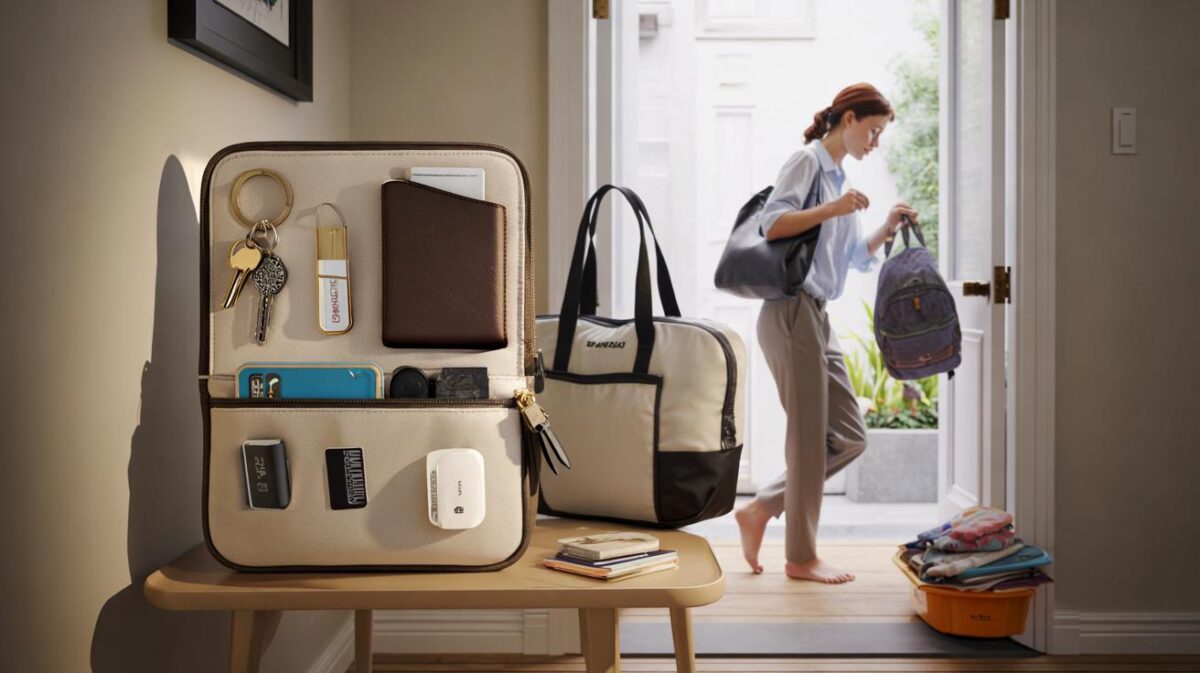
5 minutes to drop my bag, open the window, drink a glass of water.
5 minutes to change clothes and wash my face.
10 minutes to do three tiny actions for my future self: clear the sink, decide dinner, lay out tomorrow’s outfit.
That’s it.
Twenty minutes with training wheels for your brain.
The first nights I tried, I failed by minute three.
I’d reach for my phone “to check the time” and somehow end up on Instagram.
So I changed the environment, not my willpower.
I left my phone in my bag at the bottom of the hallway.
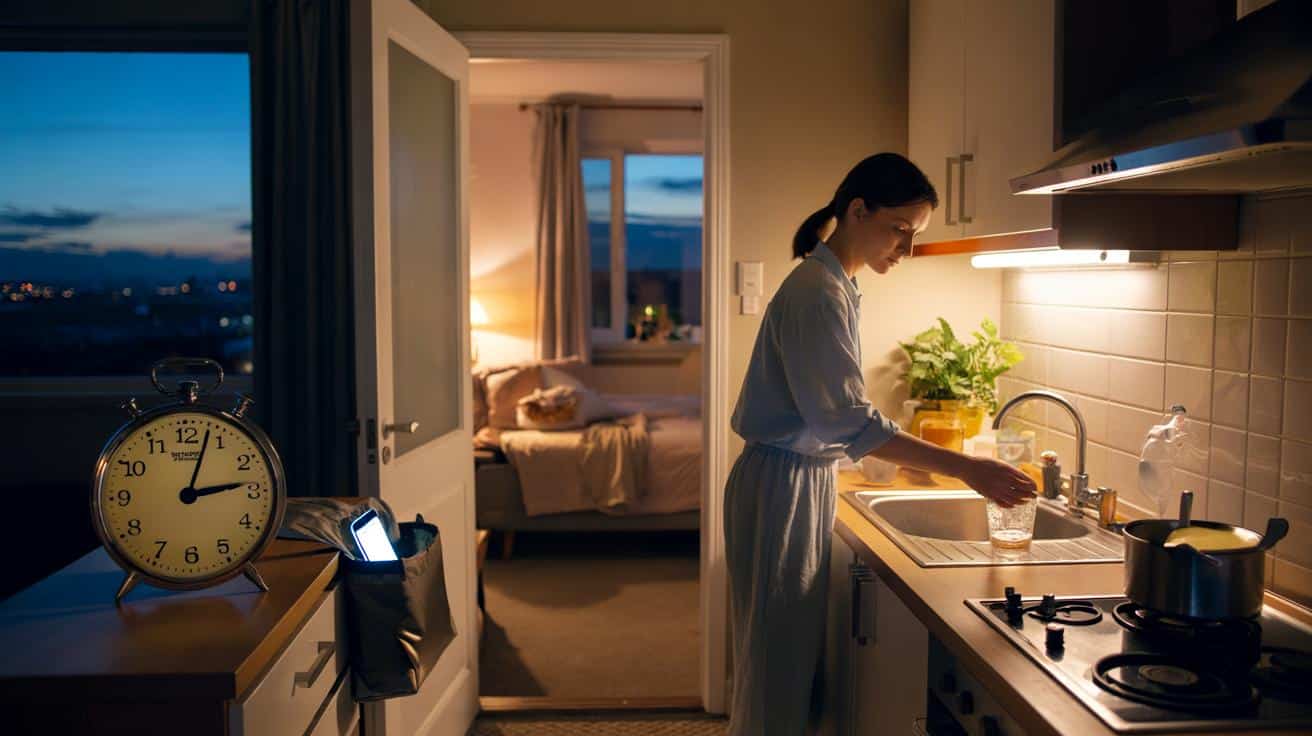
I set a cheap kitchen timer for 20 minutes, old-school, with that irritating yet strangely comforting ticking sound.
Inside those 20 minutes, I moved slowly, almost on autopilot.
No pressure to cook a full meal, no pressure to be “productive”.
Just this minimum reset, like a soft landing strip between day and night.
By the end of the week, something strange had happened.
My evenings hadn’t become longer, but they suddenly felt like mine.
The biggest trap with any evening routine is the all-or-nothing fantasy.
You picture yourself cooking elaborate meals, journaling, meditating, working out, reading for an hour, being that impossibly serene person from a wellness ad.
Then one hard day hits, you miss it once, and the whole thing collapses.
Let’s be honest: nobody really does this every single day.
Real life has late meetings, temper tantrums, buses that don’t arrive, and microwaved leftovers.
The trick is to have a routine that survives on “bad days.”
On my worst evenings, my reset shrinks to five minutes: change into comfy clothes, light a candle, put a podcast on while I boil water for pasta.
Not glamorous.
But it’s still a signal: the day is done, you’re home now, this time is different.
We’ve all been there, that moment when you look up from your phone and realize the sky has gone from blue to black and you can’t remember anything you actually chose to do.
The routine isn’t about becoming a perfect person with color-coded planners. *It’s about stealing back just enough control to feel present in your own life again.*
- Choose a single anchor ritual
One small action that always starts your evening: lighting a lamp, changing clothes, putting on music. It tells your brain, “Switch modes now.” - Set a visible time boundary
Use a timer, a wall clock, or even the end of a TV show. During that window, no passive scrolling. This protects the most fragile minutes of your night. - Prepare one thing for tomorrow
Bag by the door, lunch in the fridge, calendar reviewed. This tiny gesture lowers tomorrow’s anxiety and frees mental space for tonight. - Decide your “good enough” version
A full 20-minute reset is great. Your five-minute emergency version keeps the habit alive when life is chaotic. - Keep it boringly repeatable
If your routine needs motivation, it’s too complicated. Aim for something you can do half-asleep on a Tuesday in February.
When evenings finally feel like they belong to you again
Once you start protecting the first 20 minutes, something unexpected opens up after them.
You stop drifting and start choosing.
Some nights that choice is cooking a simple meal and actually tasting it.
Some nights it’s calling a friend, or watching a show without also juggling five tabs and three conversations.
Sometimes it really is doing nothing, but now it’s chosen nothing, not accidental.
You may notice that you fall asleep a bit calmer, that mornings feel less like a hangover from your own habits.
You might even see patterns: the days you totally skip your reset are the days that feel the shortest, the blurriest.
There’s no perfect way to “use” an evening.
The quiet power sits in that small, repeatable ritual that welcomes you home and draws a line in the sand: work is over, this part is yours.
And once you feel that, you start to realize your time was never really disappearing.
It was just waiting for you to claim it.
| Key point | Detail | Value for the reader |
|---|---|---|
| Protect the first 20 minutes | Script a simple, no-phone reset as soon as you get home | Stops the “arrival scroll” that quietly eats the best part of your evening |
| Use tiny, repeatable actions | Water, change clothes, quick tidy, prepare one thing for tomorrow | Creates a clear mental shift from work mode to home mode with minimal effort |
| Have a “bad-day” version | Five-minute emergency reset you can do even when exhausted | Keeps the habit alive so you don’t fall into all-or-nothing thinking |
FAQ:
- How long does it take for the evening reset to feel natural?
Most people feel a real difference within one to two weeks. The actions themselves are simple, but your brain needs a bit of time to associate them with “the day is over now.” Consistency beats intensity.- What if I have kids or roommates and my evenings are chaotic?
You can still carve a tiny reset. Place it at the very first available moment: when you enter the house, after you put the kids in pajamas, or even in the bathroom for three minutes. The goal isn’t silence, it’s a clear mental switch.- Do I need to stop using my phone entirely in the evening?
Not at all. The idea is to remove the phone from the fragile arrival window, not to ban it for the whole night. Once your reset is done, you can scroll or watch something, but now it’s a choice, not a reflex.- What if I work late or on irregular shifts?
Think of “evening” as “the first hour after you stop working,” whatever the clock says. Your reset can happen at 5 p.m. or 11 p.m. The structure matters more than the time of day.- I tried routines before and always quit. How do I make this one stick?
Start obscenely small. Two actions, five minutes, max. Attach it to something you already do daily, like taking off your shoes. Tell yourself this isn’t a makeover, it’s an experiment. That slight mental shift often makes all the difference.