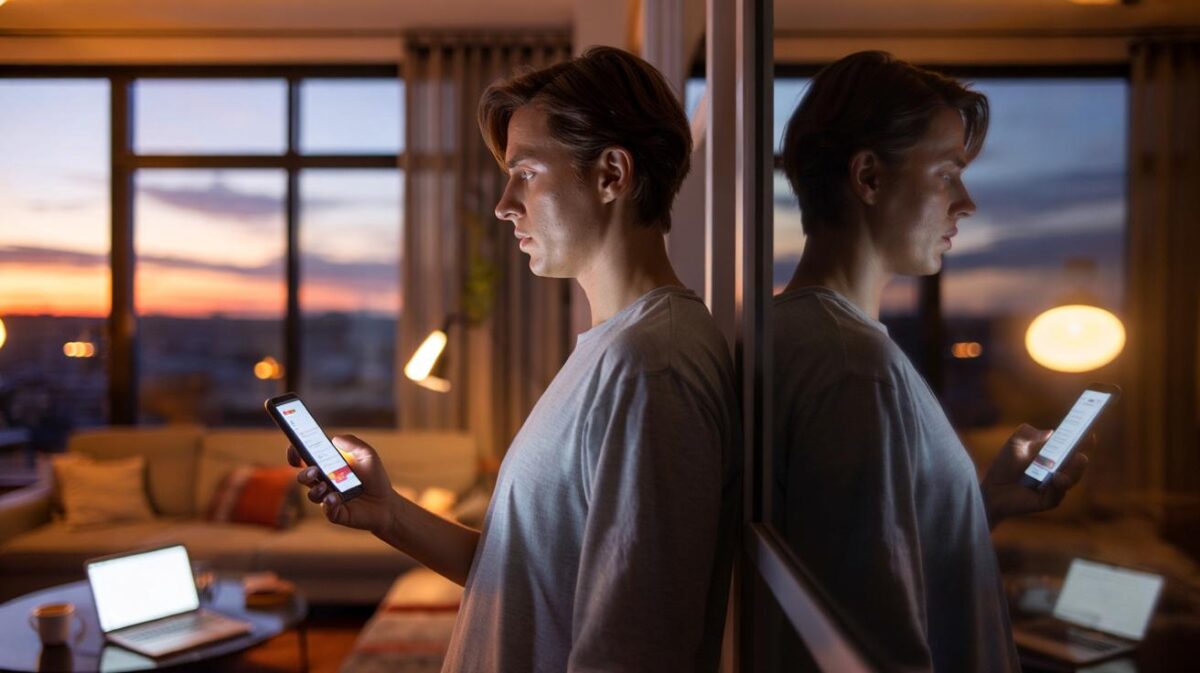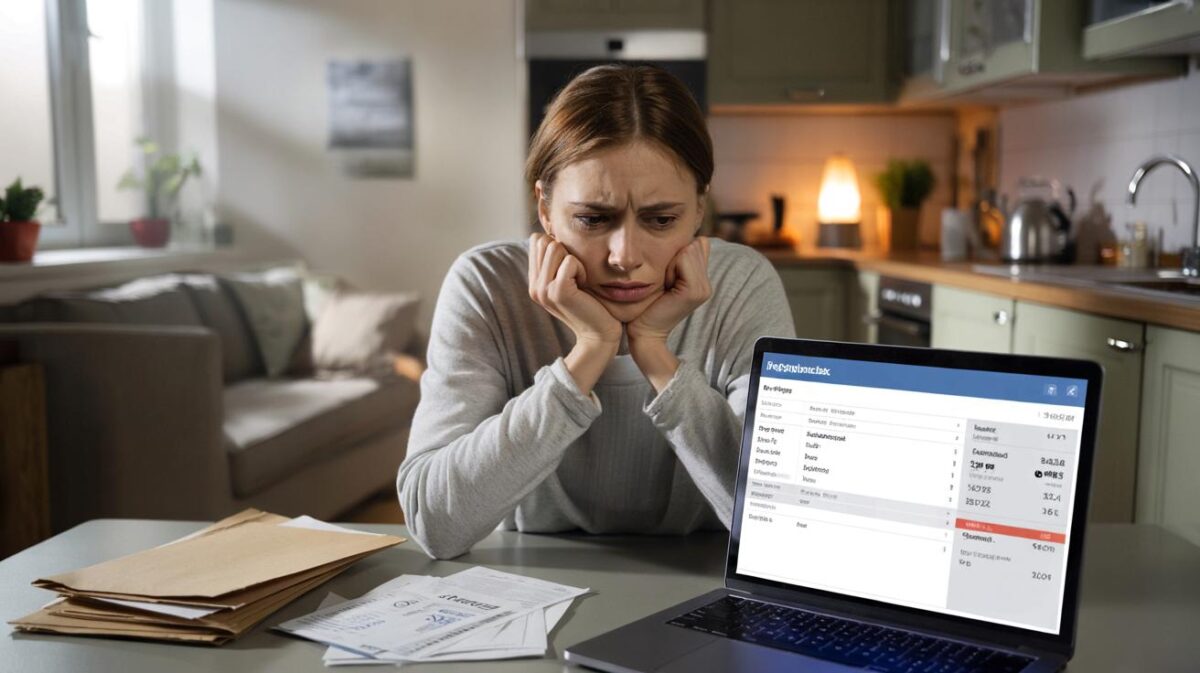
The night my husband joked that our living room looked like a football stadium, I finally saw it. Every light on. Screens glowing. The ceiling bulbs harsh and bluish, bouncing off our white walls. It was 9:30 p.m., and I was wondering again why I was still wide awake at midnight, staring at the ceiling while my body begged for rest.
That winter, turning 61, I started waking up at 3 a.m. like an alarm was going off in my brain. No stress, no pain, just a hard stop to sleep. I blamed hormones, age, the neighbor’s dog, anything.
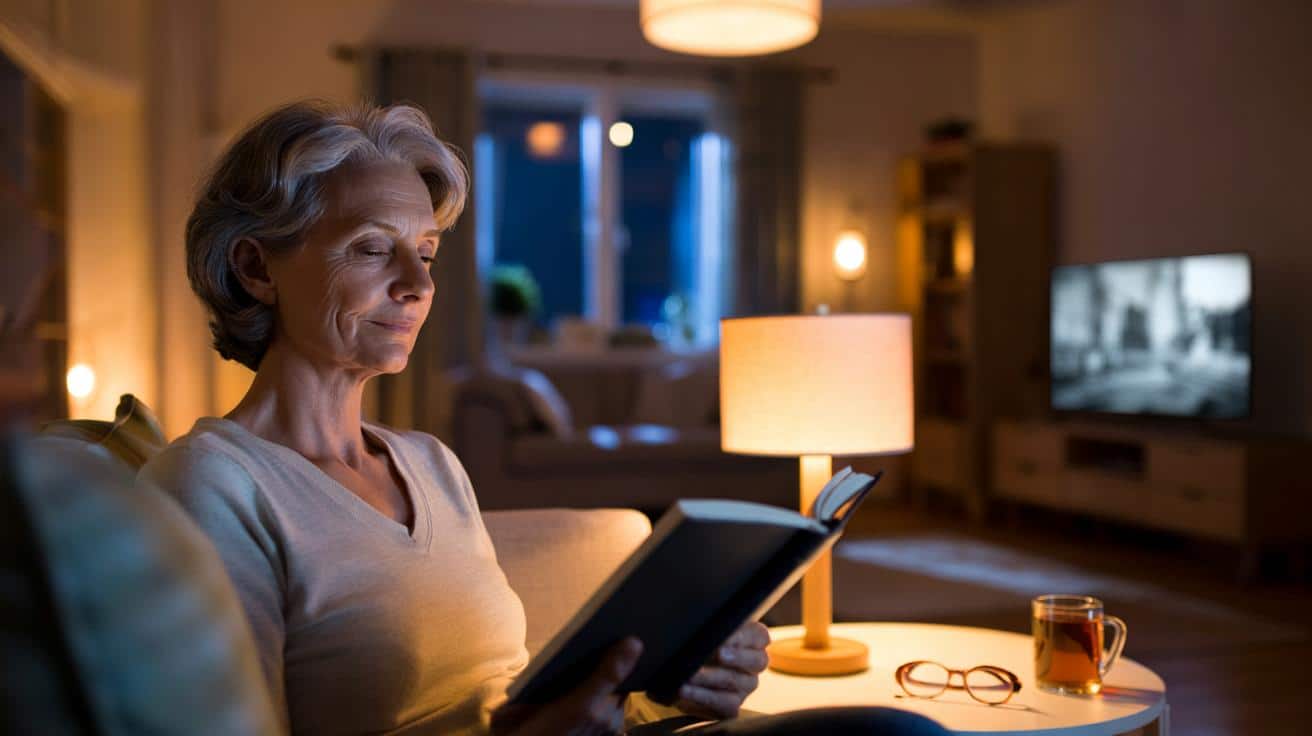
Then, one evening, I turned off the big light and left only a small, warm lamp on. I didn’t expect much.
The next morning, something quiet and strange had happened.
When the lights felt suddenly “too loud” after 60
The first time I noticed the change was at the supermarket. At 7 p.m., the neon tubes felt like they were drilling straight into my eyes. I used to walk those aisles after work without thinking. Now, at 62, I felt like a moth attacked by a stadium projector.
Back home, I started seeing the pattern. Bright kitchen spots, TV blasting on “vivid” mode, phone in my face until the last minute before bed. Your body whispers long before it screams. Those whispers were saying: this light is no longer neutral.
I spoke with friends my age, and the same story kept coming back. “I fall asleep later and wake up earlier.” “I’m exhausted, but my brain won’t shut off.” One friend, 68, laughed as she told me her granddaughter calls her bedroom “the cave” because she now dims everything by 8 p.m.
What felt like “just age” started to look more like a quiet mismatch between our environment and our hormones. A small study I read suggested that older adults can have melatonin release pushed much later by evening light, even at lower intensities than younger people. The room doesn’t have to look like an office for your brain to think midday.
That’s the key: melatonin, the hormone that tells our body “night has started,” becomes more sensitive to light as we age. We often hear the opposite, that it declines and there’s nothing to do. The truth is more nuanced. The timing and quality of light hitting our eyes plays a bigger role than most of us were ever told.
So there I was, blaming my age, while my 900-lumen LED bulbs were basically shouting: “Stay awake, it’s noon, keep going.” Once I started respecting that sensitivity, something quietly radical shifted.
➡️ If you’re over 65, this subtle shift in appetite is more physiological than emotional
➡️ “At 65, I thought I was just aging”: why my doctor said it was actually a routine issue
➡️ Why this haircut suits busy lifestyles more than trendy styles
➡️ “I didn’t know why evenings disappeared,” this routine fixed it
➡️ This job allows workers to earn comfortably without relocating
➡️ Feeling emotionally “on standby” is a learned psychological response
➡️ I tried this creamy tuna pasta bake and it brought back childhood memories
➡️ If you feel uneasy when plans change suddenly, psychology explains the need for internal order
How dimming the evening lights rewired my sleep
The change began with one simple rule: no more “big light” after dinner. I bought two small table lamps with warm bulbs and left the ceiling fixture off. The room suddenly felt softer, like a gentle exhale. I could still read, still talk, still move around. It just wasn’t daylight at 9 p.m. anymore.
Within a week, my sleep window moved. I started feeling naturally drowsy around 10:15 p.m., not 11:30. Falling asleep was less of a battle. I wasn’t cured, I wasn’t suddenly 30 again, but the edges of my nights became less jagged.
The second move was my screens. I had always rolled my eyes at “blue light” warnings, thinking they were just another wellness trend. Then one evening, I put my tablet on night mode at 8 p.m., turned down the brightness to something that felt almost too low, and sat under my small lamp.
The contrast was striking. My eyes stopped squinting. I felt a little more grounded in my own body. Over a month, this became my quiet evening ritual: dim lamps, warmer screens, no overhead glare. On the nights I slipped and watched TV with bright settings until late, I could see it: sleep came harder, shallower, more fragmented. *The pattern was too obvious to ignore.*
There’s a simple explanation. The cells in our eyes that talk to our internal clock are especially sensitive to blue-rich light. Young eyes can handle more brightness without fully pushing back melatonin. After 60, several studies suggest that even moderate evening light can delay its release or reduce its peak.
So while many of us blame aging alone, the environment we’ve built around ourselves amplifies the problem. Bright kitchens, cold LEDs, phones an inch from our nose. It’s not just “exposure to screens,” it’s timing, intensity, and color. **We’ve wired our homes like permanent daytime**, and our older brains are listening more than ever.
Practical ways to dim your evenings without dimming your life
You don’t need to turn your home into a monastery. Start small: pick a “light curfew” time, maybe 8 or 9 p.m., when everything shifts one step down. Overhead lights off. Table lamps on. If possible, use warm-toned bulbs: 2700K or even lower. That number is tiny, but the feeling is huge.
Create “zones” of light instead of blasting the whole house. A reading corner with a soft lamp, a quiet hallway nightlight, a gentle bathroom light for late-night visits. Your goal isn’t darkness at 7 p.m. It’s a visible sign to your body that the day is slowly winding down.
Lot of people try to change everything in one go, get frustrated, and give up. So go easy. Start with the room where you spend your last hour before bed. Often it’s the living room or bedroom. Tame that one space first: lamps, dimmers, screen brightness, even curtain thickness if you live in the city.
Let’s be honest: nobody really does this every single day. Life happens. Grandchildren sleep over, you watch a late match, you go to a concert. That’s fine. Think of light like food. One heavy meal doesn’t ruin your health, but your usual plate matters.
Something important I learned is that this change isn’t just “biohacking”. It feels emotionally soothing. The house becomes calmer, conversations slower. A 64-year-old reader wrote to me after trying this for three weeks:
“I didn’t just sleep better. I felt less attacked by my own home in the evenings. The dim lights made space for me to be tired without feeling guilty about it.”
To keep things simple, I often recommend this little checklist:
- Cut overhead lights after dinner and use lamps instead.
- Shift bulbs to warmer tones in rooms used after 7 p.m.
- Drop screen brightness and activate night mode at least 2 hours before bed.
- Keep at least one hour of relatively low, warm light before trying to sleep.
- Watch for how your body feels, not just what the clock says.
Growing older with gentler nights
When I talk about this “melatonin sensitivity shift,” some people look relieved, others almost annoyed. Relieved, because there’s something we can actually change. Annoyed, because it means one more thing to think about, one more habit to renegotiate in a life that already asks for plenty of adjustments.
We’ve all been there, that moment when you wake at 3 a.m. and think, “Is this my new normal?” Maybe part of the answer doesn’t lie in stronger pills or more discipline, but in the quiet way our evenings are lit. Our eyes age, our hormones adapt, but our light habits often stay stuck in the same settings we used at 35.
I’m not saying dimming the lights will solve every sleep problem after 60. There are medical conditions, medications, stress, memories that visit at night. Yet this one change is so simple, so low-risk, and often so underused. A softer bulb can become an act of respect toward a body that has carried you for decades.
Next time you’re lying awake, rewind your evening. How bright was your world between 7 p.m. and bedtime? What would change if your home started whispering “night has come” a little earlier?
There’s real power in that subtle shift. And sometimes, the path to better sleep starts with something as humble as turning the big light off.
| Key point | Detail | Value for the reader |
|---|---|---|
| Age changes light sensitivity | After 60, evening light can delay or blunt melatonin release more easily | Helps reframe sleep issues as partly environmental, not just “getting old” |
| Dimming is a practical tool | Switching off overhead lights and using warm lamps 1–2 hours before bed | Offers a simple, low-cost experiment that can improve sleep quality |
| Consistent evening “light ritual” | Setting a daily time to lower light and screen brightness | Creates a clear signal to the body that night has begun, easing the path to sleep |
FAQ:
- Does melatonin really change after 60?Yes, natural melatonin production can decline or shift with age, and the timing of its release becomes more vulnerable to evening light exposure.
- Do I need to sit in total darkness before bed?No, you just want lower, warmer light. Think cozy restaurant or candlelit vibe, not blackout cave.
- Are blue-light glasses enough to fix this?They can help some people, but changing overall room lighting and screen habits tends to have a stronger effect.
- What if I wake up very early even when I dim the lights?Morning light also matters; getting bright light soon after waking can help shift your internal clock later over time.
- How long does it take to see a difference?Many people notice changes within a week or two of consistent evening dimming, though deeper rhythm shifts can take a few more weeks.